
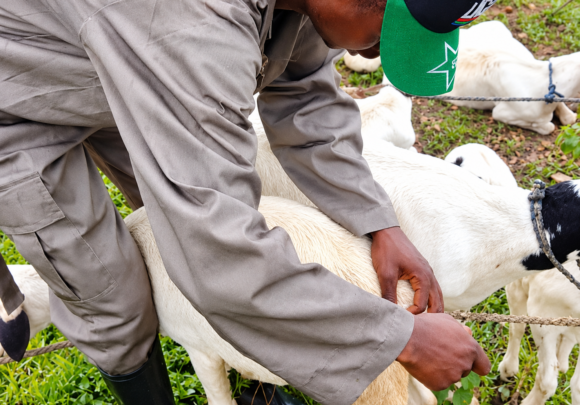
Strengthening Pastoralist Livelihoods Through Sustainable Livestock Development
Pastoralism remains an important livelihood system for communities across Africa. For millions of pastoralists, livestock provide food, income and economic opportunities while supporting the social and cultural life of communities.
However, pastoralist communities continue to face challenges related to access to livestock services, markets, productive resources, climate pressures and sustainable management of pastoral systems.
At the Confederation of Traditional Stockbreeders Organisations in Africa (CORET), strengthening pastoral livelihoods is central to our work. Through collective representation, collaboration, advocacy and sustainable development initiatives, CORET works to support stronger and more resilient pastoral communities.
Supporting Sustainable Livestock Systems
Sustainable livestock development requires more than increasing animal production. It also involves improving access to animal health services, livestock inputs, markets, knowledge and appropriate technologies.
CORET works to promote approaches that strengthen livestock productivity while supporting the long-term resilience of pastoral communities.
Improved livestock services can help pastoralists protect animal health, reduce losses and improve the value they receive from their livestock and livestock products.
Improving Market Opportunities
Access to markets is an important part of sustainable pastoral livelihoods. Pastoralists need opportunities to sell livestock and livestock products under better conditions and participate more effectively in value chains.
Strengthening cooperatives, improving market linkages and building the capacity of pastoralist organisations can help communities participate more effectively in economic opportunities.
Building Resilient Pastoral Communities
Pastoral communities operate in environments that can be affected by changing climate conditions, pressure on natural resources and other social and economic challenges.
Building resilience therefore requires collaboration among pastoralist organisations, governments, development partners, research institutions and other stakeholders.
CORET continues to promote regional collaboration and collective action to advance pastoralist priorities across Africa.