Improving Education and Nutrition in Nomadic Pastoralist Communities
Education plays an important role in developing the future of pastoralist communities. However, children in nomadic pastoralist communities can face challenges that affect school enrolment, attendance, retention, learning outcomes and participation.
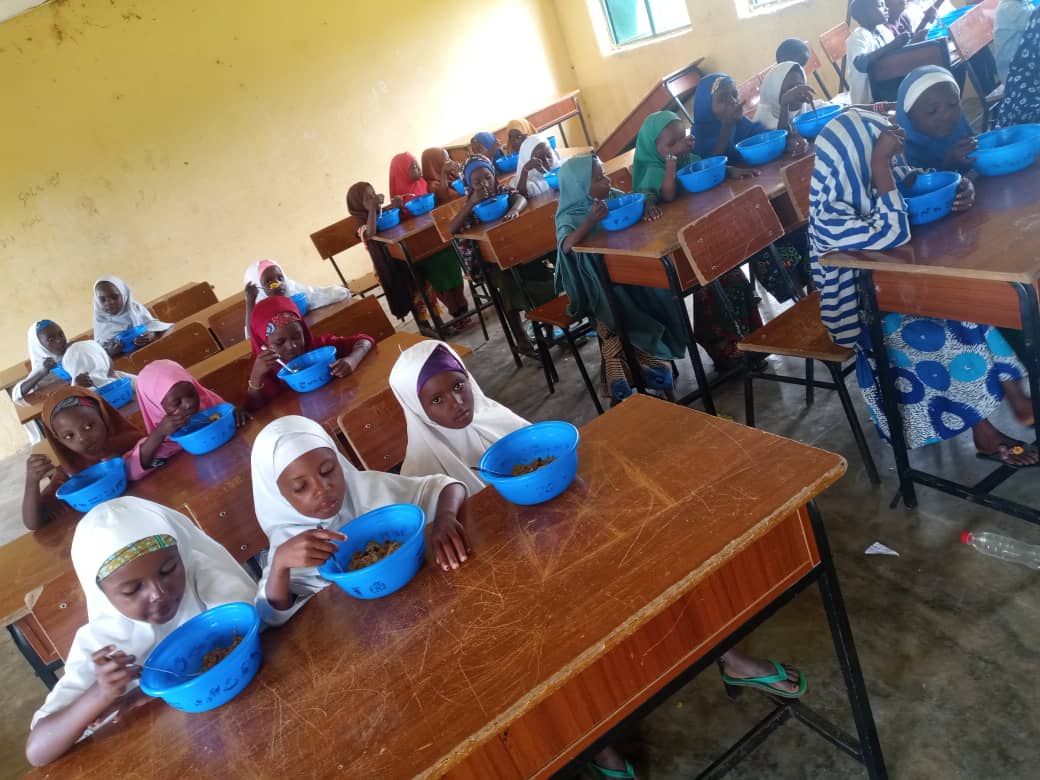
The Integrated School Feeding Programme for Nomadic Schools aims to improve education, nutrition and human capital development among children in nomadic pastoralist communities in Nigeria.
The project focuses on six nomadic schools and approximately 1,600 pupils across Ladduga Grazing Reserve, Kachia, Kaduna State, and Maigatari Trans-Border Pastoralist Communities in Jigawa State.
Supporting Better School Attendance
Access to nutritious school meals can help create a more supportive learning environment for children.
The project combines school feeding with activities focused on enrolment, attendance and retention while also monitoring learning achievement.
By addressing both education and nutrition, the programme takes a broader approach to supporting children in nomadic communities.
Promoting Better Nutrition and Hygiene
Nutrition is an important part of children’s development and learning.
The project supports nutritious school meals as well as training on food handling, hygiene and nutrition. Deworming activities and nutrition education are also included.
These activities aim to promote healthier school environments and strengthen awareness of good nutrition and hygiene practices.
Encouraging Community Participation
The success of school programmes depends on meaningful community participation.
The project supports School-Based Management Committees, Mothers’ Associations and Parent-Teacher Associations, alongside canteen management and other community structures.
School gardens are also supported through farm implements, seeds and agricultural inputs, creating opportunities for communities to participate in school feeding activities.
Supporting Girls’ Participation
The programme also gives attention to girls’ participation in education and community activities.
Strengthening the involvement of women in school feeding and related economic opportunities can contribute to greater community participation while supporting the broader objectives of the programme.
Building Sustainable School Systems
Beyond school meals, the project supports stakeholder engagement, school governance and infrastructure-related activities, including geophysical surveys for potential solar-powered boreholes.
These activities reflect the importance of addressing different factors that influence the quality and sustainability of education in pastoralist communities.